


¿Has notado cambios en tus erecciones y te preguntas si tu diabetes podría estar influyendo? Tanto si tienes diabetes tipo 1 como tipo 2, un nivel alto de azúcar en sangre de forma constante puede dañar los vasos sanguíneos, los nervios y la función hormonal en todo el cuerpo. Con el tiempo, esto puede afectar a la calidad de la erección.
La diabetes se vuelve especialmente peligrosa cuando el azúcar en sangre permanece mal controlado durante años, lo que aumenta el riesgo de cardiopatías, enfermedad renal, pérdida de visión, daño nervioso y disfunción eréctil. La buena noticia es que, a menudo, puede gestionarse con éxito mediante cambios en el estilo de vida, medicación, control de la glucosa y, cuando sea necesario, terapia con insulina.
Por tanto, la diabetes no significa automáticamente el fin de una vida sexual satisfactoria. Entender cómo la diabetes afecta tus erecciones es el primer paso para mejorar el flujo sanguíneo, reconstruir la confianza y retomar el control de tu salud sexual.
La relación entre la diabetes y las erecciones
Una erección depende de una cadena precisa de eventos: señales cerebrales, vías nerviosas, liberación de óxido nítrico y entrada de sangre en el pene. La diabetes puede alterar cada eslabón de esa cadena.
Con el tiempo, el azúcar elevado en sangre daña los vasos sanguíneos, reduce la producción de óxido nítrico y perjudica las señales nerviosas que inician y mantienen la erección, mientras el deseo puede permanecer totalmente intacto.
Esa distancia entre querer tener sexo y la capacidad del cuerpo para responder es una de las experiencias más frustrantes que describen los hombres, y puede afectar a la confianza mucho más allá del dormitorio.
La magnitud del problema es significativa:
-
Los hombres con diabetes tienen 3,5 veces más probabilidades de experimentar disfunción eréctil que los hombres sin la afección.
-
Entre el 35 % y el 75 % de los hombres con diabetes desarrollarán DE 10 a 15 años antes que los hombres sin la afección.
- Una revisión general de 2024 halló que aproximadamente dos tercios de los hombres con diabetes en todo el mundo experimentan disfunción eréctil
Cuando las erecciones se vuelven menos fiables, muchos hombres cuestionan antes su confianza que su nivel de azúcar en sangre. Entender el mecanismo físico detrás de ese cambio suele ser el primer paso para reducir la vergüenza asociada.
Qué hace realmente la diabetes en tu cuerpo
Vasos sanguíneos y óxido nítrico
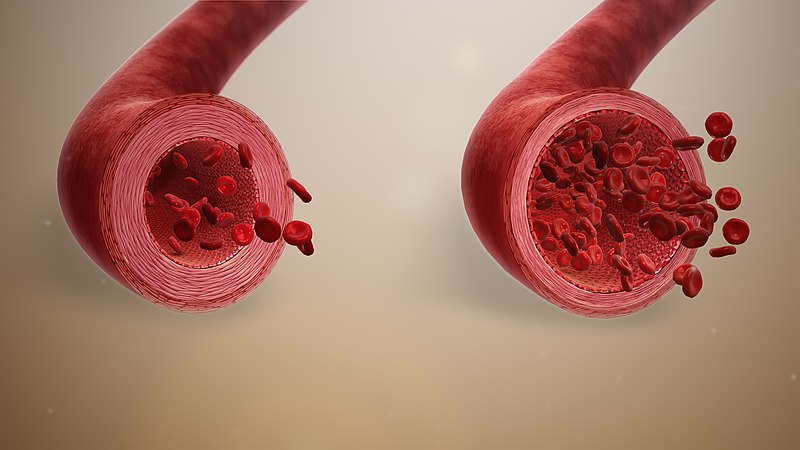
Las arterias que irrigan el pene son pequeñas en comparación con otras del cuerpo, por lo que los problemas de circulación suelen aparecer en las erecciones antes que en otros lugares. El óxido nítrico es la molécula que dilata esos vasos durante la excitación, permitiendo que la sangre llene el tejido eréctil.
En hombres con diabetes, la producción de óxido nítrico disminuye, lo que implica:
- Los vasos sanguíneos no se dilatan por completo durante la excitación
- Llega menos sangre al tejido eréctil
- Las erecciones se vuelven menos firmes, más lentas o más difíciles de mantener
- Los medicamentos habituales para la disfunción eréctil, que amplifican la señal del óxido nítrico en lugar de generarla, pueden resultar menos eficaces
Daño nervioso
La neuropatía diabética afecta no solo a los nervios periféricos del pene, sino también a las vías del sistema nervioso central responsables de iniciar las señales de erección. Por eso es tan común la desconexión entre el deseo y la respuesta física, y por eso es algo más fisiológico que psicológico. La autoexigencia o la culpa lo empeoran todo, incluidas las erecciones.
Testosterona
Casi el 40 % de los hombres con diabetes tipo 2 tienen testosterona baja. Fíjate en:
- Fatiga persistente o poca energía
- Disminución del deseo sexual
- Pérdida de masa muscular
- Sensación general de apatía o menor motivación
Estas señales, junto con problemas de erección, conviene comentarlas con un profesional sanitario. Las pruebas hormonales son sencillas y pueden abrir opciones de tratamiento que marquen una diferencia significativa.
El círculo vicioso del estrés
Vivir con diabetes es estresante, y el estrés crónico agrava el problema. Muchos hombres quedan atrapados en un ciclo:
- La diabetes afecta la calidad de la erección
- Aparece la ansiedad por el rendimiento
- Aumenta el cortisol, desviando el flujo sanguíneo fuera del aparato reproductor
- Las erecciones se vuelven aún menos fiables
- La confianza disminuye más
Romper ese círculo requiere abordar tanto lo físico como el sistema nervioso.
Señales a tener en cuenta
Signos tempranos comunes de que la diabetes puede estar afectando la función eréctil:
- Erecciones menos firmes que antes
- Dificultad para mantener la erección durante el sexo
- Menor frecuencia de erecciones matutinas
- Más tiempo para excitarse
- Menor sensibilidad del pene
- Descenso general de la libido o de la confianza sexual
Estas manifestaciones conviene tratarlas con un profesional sanitario, especialmente si ya tienes diabetes o factores de riesgo como obesidad, hipertensión o antecedentes familiares de enfermedad metabólica. Para algunos hombres, los cambios en la erección son la primera señal de que la salud vascular o metabólica necesita más atención. Actuar pronto importa.
Qué puedes hacer
Controla la glucosa
Un mejor control de la glucosa ralentiza el daño a los vasos y nervios, y es la palanca más importante que la mayoría de los hombres tienen. Trabaja con tu profesional sanitario para construir un plan sostenible.
Haz ejercicio con regularidad
La evidencia aquí es más sólida de lo que muchos creen. Los estudios muestran que el ejercicio restaura la señalización del óxido nítrico en las regiones cerebrales responsables de iniciar las erecciones, actuando tanto a nivel vascular como neurológico. Las mejores opciones son:
- Caminar o trotar
- Ciclismo
- Natación
- Entrenamiento de fuerza
La constancia importa más que la intensidad.
Prioriza el sueño y la salud cardiovascular
Un mal descanso empeora la resistencia a la insulina, eleva el cortisol y reduce la testosterona. Apunta a entre siete y nueve horas. Apoya la salud cardiovascular con:
- Alimentos integrales y grasas saludables
- Hidratación adecuada
- Menos tabaco y alcohol
- Verduras ricas en fibra y proteína magra
Tu corazón y tus erecciones comparten muchas de las mismas vías biológicas.
Reduce el estrés de forma activa
La meditación, la respiración consciente, el tiempo al aire libre, la terapia y las conexiones significativas no son “complementos blandos”; son intervenciones directas en el círculo de estrés que perjudica la función eréctil. El objetivo es ayudar a tu sistema nervioso a pasar más tiempo en un estado que favorezca la excitación.
Cómo encaja Bathmate
Uno de los mayores retos a los que se enfrentan muchos hombres con diabetes es mantener un flujo sanguíneo saludable hacia el pene. Con el tiempo, el azúcar elevado en sangre puede afectar a los vasos y tejidos responsables de crear erecciones firmes y fiables. Por eso, apoyar la circulación se vuelve una parte tan importante de proteger tu salud sexual.
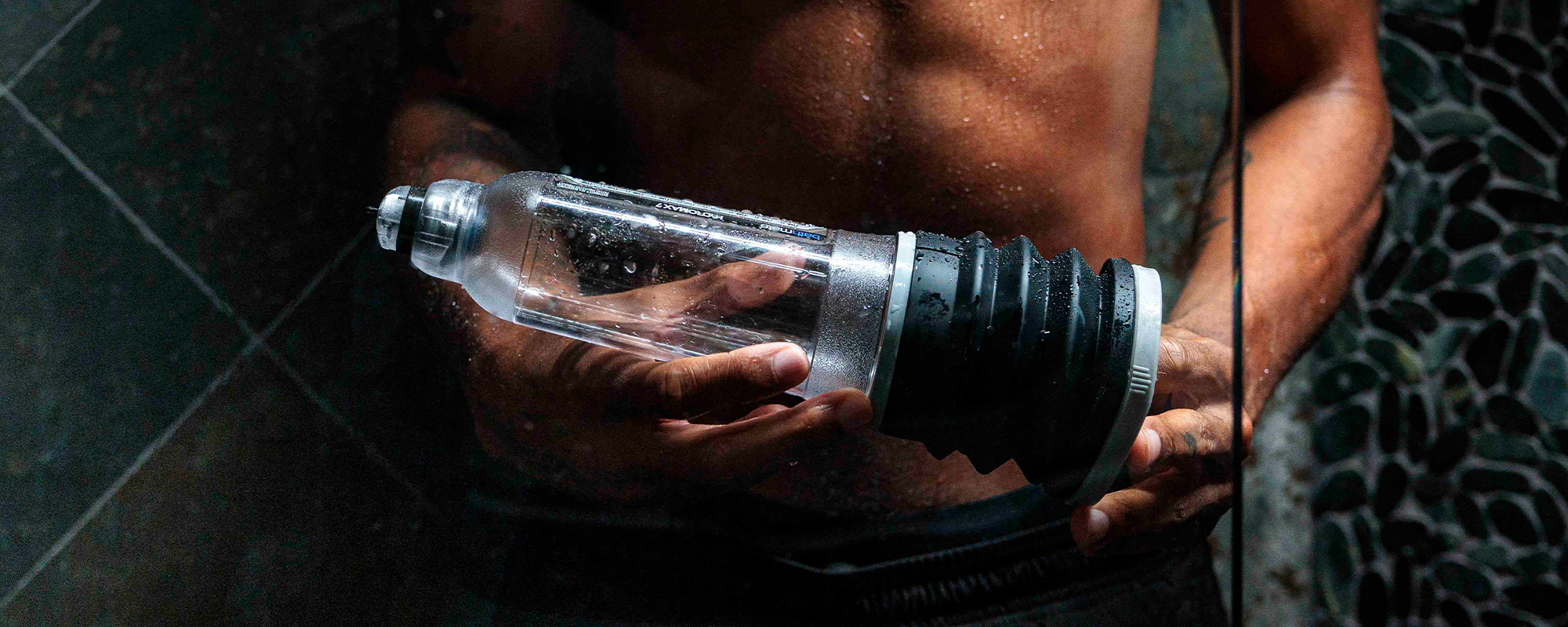
Las hidrobombas Bathmate funcionan atrayendo suavemente la sangre hacia el pene mediante agua y presión controlada. Piénsalo como una forma de fomentar activamente el flujo sanguíneo y mantener el tejido eréctil estimulado, en lugar de esperar a que los cambios ocurran por sí solos.
El uso regular puede ayudar a apoyar precisamente aquello que la diabetes tiende a dificultar con el tiempo:
- Flujo sanguíneo saludable hacia los tejidos eréctiles
- Aporte de oxígeno que contribuye a mantener el tejido receptivo
- Mayor conexión con la función eréctil natural de tu cuerpo
Es importante destacar que Bathmate no sustituye la gestión de tu diabetes. El control de la glucosa, el movimiento, un sueño de calidad y la salud cardiovascular siguen siendo la base de erecciones fuertes y del bienestar a largo plazo.
Pero añadir una rutina de bombeo regular también puede darte algo igual de valioso: una sensación de participación. En lugar de sentir que la diabetes dicta lo que ocurrirá, das un papel activo a apoyar la salud de tu erección, tu confianza y la conexión con tu cuerpo.
Usado con constancia como parte de un plan de salud más amplio, Bathmate puede ser una forma práctica de apoyar la circulación, mantener la respuesta y seguir conectado con tu bienestar sexual a largo plazo.
Mejorar las erecciones empieza por controlar la diabetes
La diabetes puede cambiar cómo responde tu cuerpo, pero no elimina tu capacidad para mejorarlo.
Los cambios que notas no son aleatorios ni inevitables. Se remontan a sistemas específicos y reconocibles. Cada uno de esos sistemas puede recibir apoyo y, en muchos casos, mejorar parcialmente con el enfoque adecuado.
Cada paso que das (mejor control glucémico, movimiento constante, sueño de calidad, menos estrés y herramientas que apoyen directamente el flujo sanguíneo hacia el pene) envía el mismo mensaje a tu cuerpo: mantente receptivo, resistente e implicado.
Las erecciones más firmes rara vez se consiguen con una sola intervención. Se construyen con decisiones constantes que restauran la confianza en tu cuerpo y en ti mismo. Tus erecciones son una de las señales más honestas de tu salud. Cuando empiezas a escuchar esa señal, los cambios que haces suelen perdurar más que cualquier “solución” puntual.


Hakima Tántrico
Learn MoreHakima Tantrika es educadora sexual, coach de intimidad y redactora, y colabora regularmente con el blog de Bathmate. Formada en tantra clásico, ayuda a las personas a cultivar una mayor autoconciencia, una conexión auténtica y una confianza plena.SubpilaLidera una comunidad comprometida donde comparte perspectivas sobre sexualidad, relaciones y crecimiento personal, combinando la educación con la narración honesta. Con su enfoque claro y reflexivo y su voz distintiva, Hakima aporta profundidad e integridad a las conversaciones modernas sobre la intimidad, el placer y la autocomprensión.
Share:
Cómo una bomba de pene ayuda a recuperar la erección tras una cirugía o cambios de salud
Primeras señales de cambios en la erección que muchos hombres no notan