

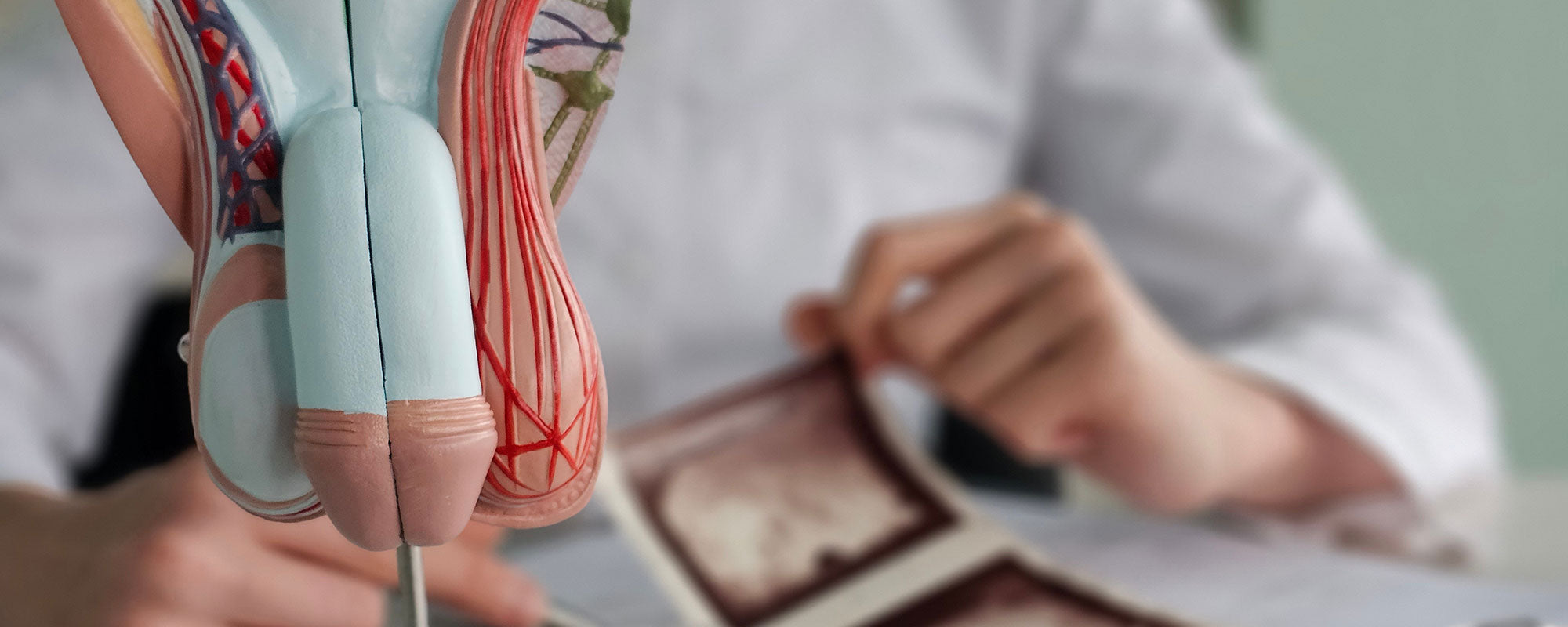
What’s actually happening inside your body when you get an erection? Every man feels the effects of a strong, responsive erection, but very few understand the system behind it. And when erection strength shifts, it can trigger worry fast. Understanding how an erection works, physiologically and emotionally, is one of the most powerful ways to rebuild confidence, improve erection quality, and reconnect to your body with clarity instead of pressure.
Erections aren’t random. They’re highly coordinated events involving your brain, your hormones, your blood vessels, your pelvic floor, and most importantly, your nervous system’s sense of safety. When every part of the system is working together, erections are effortless. When one part is strained, the entire experience can become unpredictable.
The good news? Each part of the erection process is trainable. And the more you understand the sequence, the more empowered you become in supporting it.
Let’s break the process into eight clear steps.
Step 1. The Brain Signal: Arousal Begins Before the Body Responds
Every erection starts long before blood enters the penis. It begins with a signal inside your brain—a moment of interest, desire, or curiosity. Maybe it’s a sensation, a thought, a look, a sound, or simply the energy of being close to someone. That mental spark triggers neural pathways that direct your body toward arousal.
Dopamine, the neurotransmitter of desire and focus, sharpens attention and heightens sensitivity. But dopamine alone isn’t enough. Your brain has to send a message to your body that it’s time to open, not brace. That message is carried down the spinal cord into the pelvis, preparing the body for the next stage of erection.
This is why mental arousal can be incredibly powerful and why mental stress or distraction can interrupt things before they even start. The erection mechanism depends on clarity and presence, not performance pressure.
Step 2. The Nervous System Shift: From Pressure to Safety
Once the arousal signal is activated, your nervous system must make a critical shift. Erections only occur when the parasympathetic nervous system (your “rest, relax, and open” mode) takes the lead.
Stress, pressure, or fear activate the sympathetic nervous system, the “fight-or-flight” response. Blood gets redirected to your limbs, your breath becomes shallow, adrenaline rises, and your body prepares to defend itself, not engage sexually. Even mild tension or self-judgment can interrupt the cascade.
Chronic stress raises cortisol, suppresses testosterone, tightens blood vessels, and disrupts nitric oxide, the molecule responsible for relaxing penile arteries. That’s why stress is one of the most common contributors to erection difficulty. Your body is simply protecting you, not failing you.
When the nervous system feels safe, the body opens. Blood flow deepens. Sensation increases. Arousal becomes accessible again.
Step 3. Nitric Oxide Release: The Chemical Signal That Opens the Body
With the nervous system in an open, receptive state, the body releases nitric oxide (NO) from nerve endings and endothelial cells. This is the chemical trigger that begins the physical erection.
Nitric oxide relaxes the smooth muscle within penile arteries, allowing them to widen. This widening—vasodilation—is essential. Without it, blood cannot enter the erectile chambers.
Testosterone plays a supportive role here. It amplifies nitric oxide production, strengthens sexual signaling in the brain, and increases responsiveness. When testosterone dips, nitric oxide output declines, desire softens, and the body has to work harder to achieve and maintain firmness.
Boosting nitric oxide naturally through movement, sunlight, deep breathing, nitrate-rich foods sets the stage for stronger, more dependable erections.
Step 4. Arterial Expansion & Blood Flow: The Foundation of Erection Strength
Once nitric oxide opens the vessels, blood flow becomes the true engine of the erection.
Blood rushes into the penile arteries and fills the corpora cavernosa, the two long chambers that expand to create firmness. The healthier your cardiovascular system, the easier this phase becomes.
Circulation is the backbone of erection strength. When blood flow is strong, erections feel fuller, harder, and more responsive. When blood flow is restricted, erections feel softer or fade quickly, even if desire is high.
This is why changes in erection quality are often early signals of vascular health shifts. Penile arteries are smaller and more sensitive than those in the heart, so circulation issues tend to show up in your erection long before they appear anywhere else.
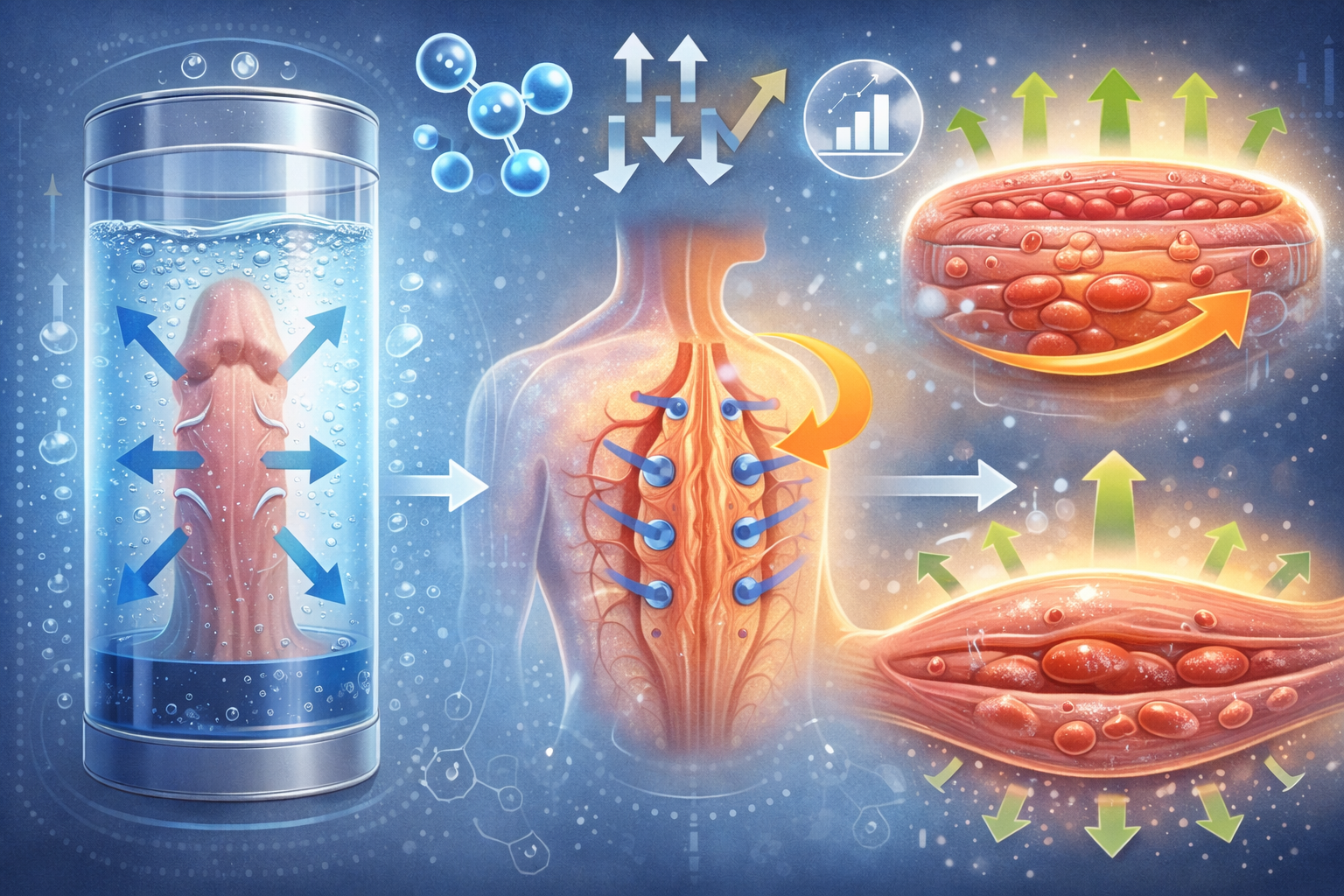
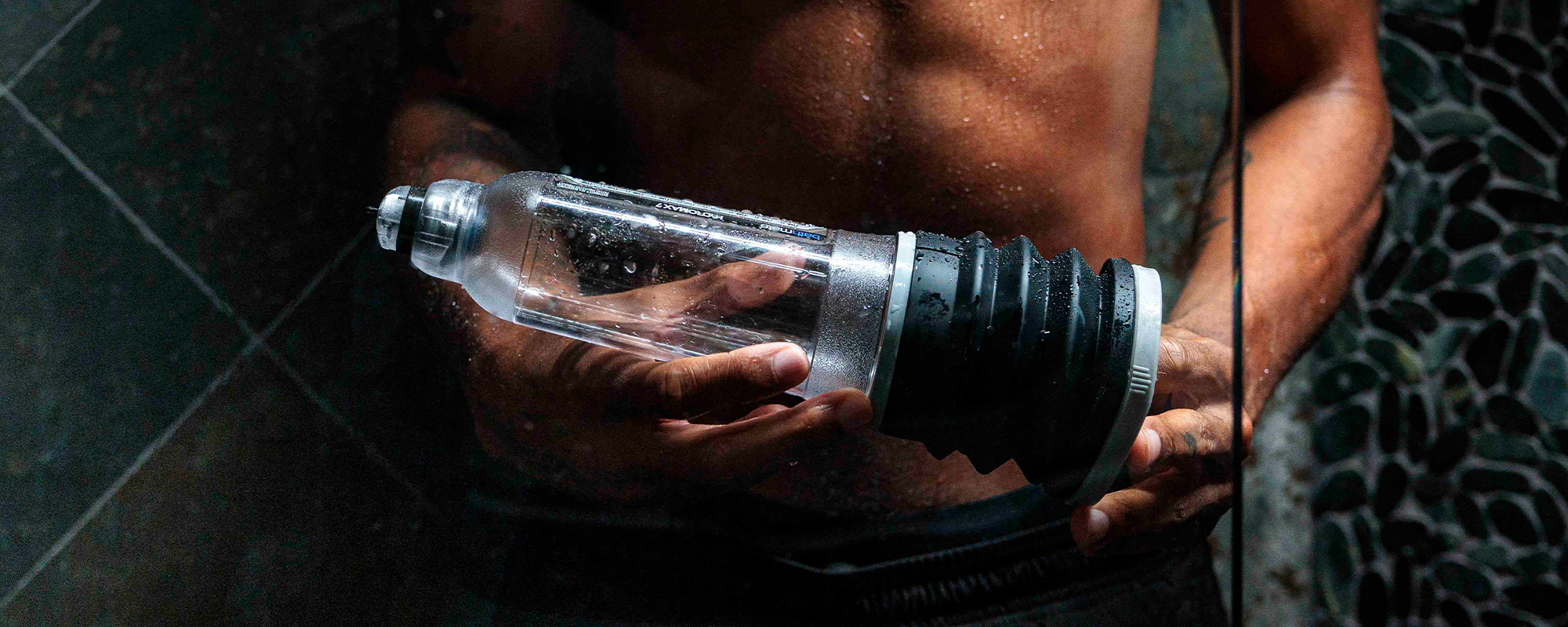
Tools that support circulation, for example movement, warm water, breathwork, and hydropump training, can directly improve this stage. Using a hydropump like Bathmate in warm water increases blood volume in the erectile tissue, enhances endothelial elasticity, and helps retrain vessels to open more easily. This is why consistent hydropump use can help maintain tissue health as part of your daily routine.
Step 5. Structural Expansion: How Erectile Tissue Physically Fills
Inside the corpora cavernosa, the two chambers of your penis that fill with blood to create an erection, the erectile tissue behaves like a sponge. Once blood enters, the tissue expands in all directions. This expansion creates internal pressure, which produces visible firmness.
This stage depends heavily on the elasticity and oxygenation of the erectile tissue. Nighttime erections (those spontaneous erections that happen during REM sleep) play a crucial role in keeping the tissue supplied with oxygen and maintaining its responsiveness. When these natural erections decrease due to stress, hormonal changes, or recovery after surgery, the tissue can become less elastic and more resistant to expansion.
A hydropump session helps mimic this natural oxygenation by drawing fresh, oxygen-rich blood into the chambers. Over time, this can support healthier tissue expansion and better erection fullness in daily life.
Step 6. Pelvic Floor Engagement: The Muscular System That Holds the Erection
Once the erectile tissue fills with blood, your pelvic floor muscles take over. Specifically, the bulbocavernosus (BC) and ischiocavernosus (IC) muscles act as your body’s natural erection stabilizers. They compress the base of the penis, trapping blood inside the erectile chambers and maintaining pressure.
When these muscles are strong and coordinated, they help create:
- A higher erection angle
- Greater firmness
- Enhanced staying power
- More controlled ejaculation
- Increased perceived size due to fuller engorgement
When they are weak, blood escapes too quickly and erections lose rigidity sooner than they should.
A 12-week pelvic floor training program has been shown to significantly improve erection firmness and sexual control, proving how essential these muscles are to overall erection health.
Strength matters, but so does relaxation. A pelvic floor that is chronically tight can interfere with blood flow just as much as a weak one. Balanced training builds strength, control, and flow.
Step 7. Hormonal Support: Testosterone as the Amplifier, Not the Initiator
Testosterone doesn’t cause erections directly. But it amplifies everything that makes erections strong.
Healthy testosterone levels support:
- Nitric oxide production
- Libido and sexual attention
- Mood and motivation
- Vascular function
- Energy and recovery
- Morning erections
Even moderate declines in testosterone show up quickly in erection quality. Men often notice reduced morning erections, lower desire, or slower responsiveness long before they notice gym or energy changes.
Lifestyle factors such as movement, sleep, strength training, lower stress, have been shown to significantly support natural testosterone levels. And testosterone strengthens the erection mechanism through the same vascular pathways that regulate circulation and oxygenation.
When hormones and blood flow work together, erection strength improves naturally.
Step 8. The Feedback Loop: Confidence, Arousal, and Circulation Working Together
One of the most overlooked parts of erection health is the feedback loop between confidence, nervous system safety, and circulation.
- When you feel confident in your body (when you trust its responsiveness), your nervous system relaxes. Parasympathetic activation deepens. Blood vessels widen more easily. Arousal comes more naturally.
- When confidence rises, blood flow improves and when blood flow improves, erections deepen.
- When erections deepen, confidence rises even further.
This is the loop that restores sexual vitality.
Bathmate fits into this loop by providing a consistent, sensory reminder that your body can respond. Each session reinforces the connection between arousal, confidence, and circulation.
Bringing It All Together
An erection isn’t one thing. It’s a system, a coordinated sequence of signals, chemistry, blood flow, muscular engagement, and emotional presence. When even one part of that system feels pressured, suppressed, or depleted, erection strength can shift. But that shift isn’t a failure. It’s information.
Understanding the steps behind the erection mechanism turns fear into clarity and confusion into empowerment. You see that arousal requires safety, expansion requires circulation, fullness requires oxygenation, and staying power requires muscular support. And all of those systems can be trained, strengthened, and supported with consistency.
Movement, sleep, breath, pelvic floor strength, emotional presence, and daily circulatory practices, such as warm-water hydropump use, create a body that feels open, responsive, and confident.
Your erection isn’t separate from the rest of your health. It reflects it. And when you support your body through these eight stages, you’re not just training erections, you’re building deeper vitality, steadier confidence, and a stronger, more grounded relationship with your sexuality.




Hakima Tántrico
Learn MoreHakima Tantrika es educadora sexual, coach de intimidad y redactora, y colabora regularmente con el blog de Bathmate. Formada en tantra clásico, ayuda a las personas a cultivar una mayor autoconciencia, una conexión auténtica y una confianza plena.SubpilaLidera una comunidad comprometida donde comparte perspectivas sobre sexualidad, relaciones y crecimiento personal, combinando la educación con la narración honesta. Con su enfoque claro y reflexivo y su voz distintiva, Hakima aporta profundidad e integridad a las conversaciones modernas sobre la intimidad, el placer y la autocomprensión.
Share:
Vello facial y percepción sexual: lo que dicen los estudios
Qué es el cuidado posterior al sexo y por qué importa