


La mayoría de los hombres cree que solo existe un tipo de orgasmo.
No es así.
Está el orgasmo impulsado principalmente por la estimulación del pene…
Y el orgasmo que implica una activación más profunda de la próstata — a menudo descrito como más pleno, más intenso y más inmersivo.
Pero hay algo que muchos hombres no se dan cuenta:
Incluso un orgasmo “normal” depende de la próstata.
No hace falta estimularla directamente para que desempeñe un papel central en el rendimiento sexual, aunque ayuda😉.
Para entender la diferencia — y por qué la salud prostática importa— primero hay que comprender la mecánica.
¿Qué es un orgasmo peniano?
Un orgasmo peniano es el que la mayoría conoce.
Se desencadena principalmente por la estimulación del pene —en particular del glande y el tronco—, zonas ricas en terminaciones nerviosas sensoriales.
Esto es lo que ocurre fisiológicamente:
- La estimulación sensorial activa vías nerviosas en la médula espinal
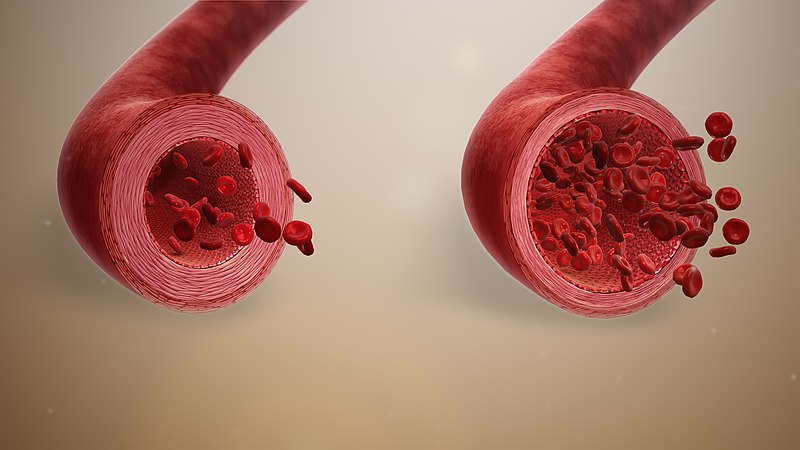
- Aumenta el flujo sanguíneo en el tejido eréctil
- Los músculos del suelo pélvico se contraen rítmicamente
- El semen se expulsa mediante contracciones musculares coordinadas
La intensidad de un orgasmo peniano está influida por:
- Calidad del flujo sanguíneo
- Sensibilidad nerviosa
- Coordinación del suelo pélvico
- Señalización hormonal
En gran medida se basa en la estimulación superficial y la respuesta vascular.
Pero aquí está lo importante:
El pene no es el único que impulsa la eyaculación.
La eyaculación es un evento pélvico coordinado — y la próstata es una pieza clave.
¿Qué es un orgasmo prostático?
La próstata es una glándula del tamaño de una nuez situada justo debajo de la vejiga. Rodea parte de la uretra —el conducto que transporta la orina y el semen fuera del cuerpo—.
Cumple dos funciones sexuales principales:
-
Produce aproximadamente entre el 20 y el 30% del fluido seminal
-
Se contrae rítmicamente durante el orgasmo para ayudar a impulsar el semen
Cuando se estimula de forma directa (interna), algunos hombres señalan:
- Contracciones más fuertes
- Mayor fuerza eyaculatoria
- Sensación más profunda y de todo el cuerpo
- Clímax más duradero
A esto se le suele llamar “orgasmo prostático”.
Pero hay un matiz:
Incluso durante un orgasmo peniano típico, la próstata está activa.
Aporta fluido.
Se contrae.
Ayuda a generar fuerza.
Se estimule directamente o no, forma parte del motor.
Lo que significa que su salud afecta directamente al rendimiento.
El papel de la próstata en la función sexual
Muchos hombres solo piensan en la próstata en relación con el envejecimiento o problemas urinarios.
Esa visión es incompleta.
La próstata desempeña un papel central en:
1. Producción de fluido seminal
El fluido seminal no es solo un vehículo para los espermatozoides. Favorece su movilidad, nutrición y transporte.
Una función prostática saludable contribuye a:
- Volumen eyaculatorio
- Consistencia del fluido
- Propulsión adecuada
Los cambios en la salud de la próstata pueden afectar sutilmente al volumen y a la fuerza, incluso antes de que aparezcan síntomas evidentes.
2. Fuerza eyaculatoria
Durante el orgasmo, la próstata se contrae en coordinación con el suelo pélvico y las vesículas seminales.
Si la glándula está inflamada, aumentada de tamaño o sometida a presión, esas contracciones pueden sentirse:
- Más débiles
- Menos potentes
- Menos satisfactorias
Muchos hombres describen esto como una reducción de la “intensidad” con el tiempo.
A menudo lo atribuyen a la edad.
Pero la mecánica pélvica importa.
3. Presión y flujo pélvicos
Como la próstata rodea la uretra, su tamaño y estado influyen en la mecánica del flujo.
Si la glándula se irrita o aumenta de tamaño:
- El chorro urinario puede debilitarse
- Puede aumentar la micción nocturna
- Puede aumentar la tensión pélvica
Esa tensión no solo afecta a la micción.
La región pélvica es un sistema compartido:
Vejiga
Próstata
Suelo pélvico
Vascularización peniana
La presión en una zona influye en todo el conjunto.
Las erecciones dependen de la presión. El orgasmo depende de la contracción.
La integridad del sistema importa.
4. Sensibilidad hormonal
La próstata responde de forma marcada a la DHT (dihidrotestosterona), un metabolito de la testosterona.
La DHT desempeña un papel importante en la fisiología masculina, incluida la libido y la señalización androgénica.
Pero una actividad de la DHT excesiva o desregulada puede contribuir con el tiempo al agrandamiento de la próstata.
El objetivo no es suprimirla.
Es el equilibrio.
Una señalización androgénica saludable respalda tanto la función prostática como el rendimiento sexual, pero debe estar correctamente regulada.
Por qué los cambios en la próstata ocurren de forma gradual
A diferencia de una lesión o una enfermedad repentina, los cambios en la próstata se producen lentamente.
Con el tiempo, la glándula puede acumular:
- Presión hormonal
- Inflamación de bajo grado
- Estrés oxidativo
Estos factores no generan síntomas drásticos de la noche a la mañana.
En su lugar, pueden percibirse cambios sutiles:
- Chorro urinario ligeramente más débil
- Micción nocturna más frecuente
- Menor fuerza eyaculatoria
- Orgasmos menos intensos
Ocurre de forma tan gradual que parece “normal”.
Pero no es aleatorio.
Es ambiental.
Y ese entorno puede cuidarse.
Por qué importa cuidar la próstata de forma proactiva
La mayoría actúa de forma reactiva.
Se abordan los problemas después de que interfieran en la vida diaria.
Pero la longevidad del rendimiento se construye con mantenimiento.
Igual que entrenas la circulación para apoyar las erecciones…
Igual que apoyas la testosterona para mantener el deseo…
La próstata también requiere cuidados proactivos.
Apoyar la salud prostática puede ayudar a:
- Mantener la fuerza eyaculatoria
- Preservar el control urinario
- Reducir la presión pélvica
- Apoyar la resiliencia sexual a largo plazo
No se trata de miedo.
Se trata de entender el sistema.
El rendimiento sexual no depende de un solo órgano.
Es la coordinación entre:
- Flujo sanguíneo
- Hormonas
- Nervios
- Músculos
- Glándulas
La próstata se sitúa en el centro de esa coordinación.
Cómo apoyar la salud de la próstata
Cuidar la próstata no es complicado, pero sí requiere intención.
Como la mayoría de los sistemas de rendimiento del cuerpo, la próstata responde a la constancia.
Hay cuatro factores clave que puedes controlar:
Favorecer el equilibrio hormonal
La próstata es muy sensible a la DHT, un metabolito de la testosterona que desempeña un papel en la fisiología masculina y la señalización sexual.
Una actividad equilibrada de la DHT favorece la función normal del tejido prostático.
Una actividad excesiva o desregulada de la DHT con el tiempo puede contribuir al agrandamiento y la presión.
Nutrientes y botánicos específicos como:
- Saw Palmetto
- Esteroles vegetales
- Zinc
- Ortiga
se utilizan habitualmente para favorecer una señalización androgénica saludable — sin suprimir la testosterona.
Esta es la base de suplementos como Ultramax Prostate Support, formulados para apoyar el equilibrio de la DHT, el control de la inflamación y la integridad de la glándula a largo plazo.
El objetivo no es la supresión.
Es la regulación.
2. Reducir el estrés inflamatorio y oxidativo
La próstata es un tejido metabólicamente activo.
Con el tiempo, la inflamación de bajo grado y el estrés oxidativo pueden influir en cómo funciona la glándula.
Antioxidantes y compuestos antiinflamatorios como:
- Selenio
- Vitamina E
- Licopeno (extracto de tomate)
- Té verde
- Quercetina
ayudan a respaldar la resiliencia celular y la integridad del tejido.
Ahí es donde la suplementación diaria puede desempeñar un papel práctico: mantener el entorno interno antes de que aparezcan los síntomas.
3. Mantener la circulación y el flujo pélvicos
La próstata se encuentra en el centro de la región pélvica, un entorno compartido que incluye:
- Vejiga
- Músculos del suelo pélvico
- Vascularización peniana
La circulación saludable y la dinámica de fluidos importan.
Apoyar el flujo sanguíneo general (mediante movimiento, salud cardiovascular y apoyo a la circulación) ayuda a mantener la capacidad de respuesta en todo el sistema pélvico.
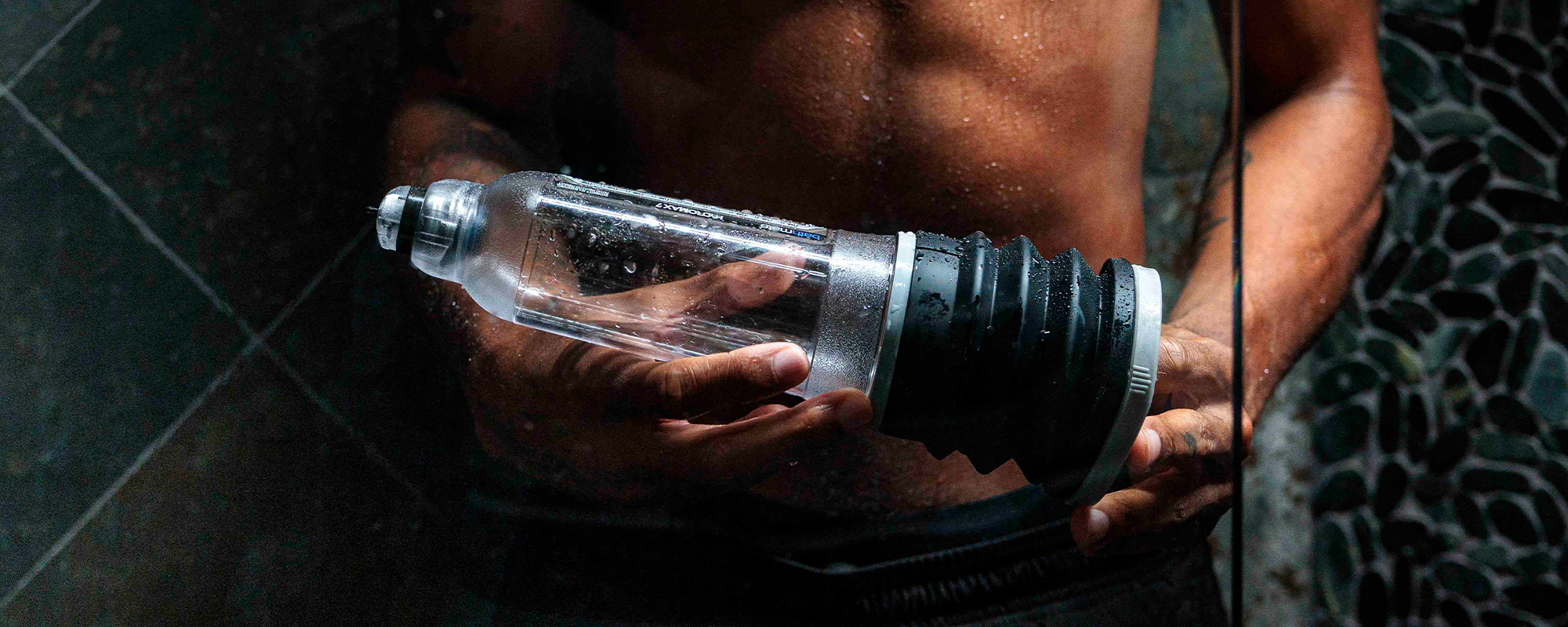
El entrenamiento hidráulico favorece el flujo sanguíneo.
El apoyo prostático mantiene la glándula que trabaja dentro de ese sistema.
4. Estimulación y drenaje prostático directos
Además del apoyo nutricional interno, algunos hombres optan por incorporar estimulación prostática directa.
La próstata contiene conductos que liberan fluido durante la eyaculación. Una estimulación suave e intencional puede favorecer la circulación y la activación glandular.
Históricamente, se ha explorado el masaje prostático para:
- Favorecer la liberación de fluido
- Estimular la circulación dentro de la glándula
- Potenciar la intensidad del orgasmo
- Aumentar la conciencia pélvica
Dispositivos como el Bathmate Prostate Pro están diseñados para ofrecer una estimulación controlada y ergonómica, priorizando la comodidad y la alineación anatómica.
Para quienes desean explorar una respuesta orgásmica más profunda —o simplemente mantener la conciencia y activación de la glándula—, puede ser un enfoque complementario.
Como en cualquier práctica, la constancia y la técnica adecuada importan.
La perspectiva general
La mayoría se centra solo en las erecciones.
Tiene sentido: las erecciones son visibles.
La próstata no.
Pero impulsa:
- Producción de fluido
- Propulsión eyaculatoria
- Regulación de la presión pélvica
- Sensibilidad hormonal
Si te importa:
- La intensidad del orgasmo
- La fuerza eyaculatoria
- La función sexual a largo plazo
- El control urinario
Conviene entender la glándula que hay detrás y cuidarla antes de que exija atención.
El rendimiento no es solo lo que ves...
Se trata de mantener cada parte del sistema que lo hace posible.


Charlie Walsh
Learn MoreCharlie Walsh es escritor en Bathmate y se especializa en crear contenido informativo, atractivo y cercano sobre la salud, la confianza y el bienestar masculino. A través de sus escritos, Charlie ayuda a los lectores a comprender mejor los productos de Bathmate y la ciencia que los sustenta, siempre con un enfoque en la honestidad, el empoderamiento y los resultados prácticos.
Compartir:
Necesidades emocionales de los hombres en pareja: romper el silencio
CBD y sexo: ¿merece la pena o es solo moda?