


¿Por qué algunos hombres pueden volver a tener una erección en cuestión de minutos mientras que otros necesitan tiempo (a veces, mucho) para que su cuerpo regrese a una excitación plena? Si alguna vez te has preguntado por qué la “segunda ronda” a veces se siente fácil y otras casi imposible, la respuesta está en la calidad de la erección, el flujo sanguíneo, las hormonas y en qué tan segura y rápidamente tu sistema nervioso puede volver al estado de excitación.
Entender qué configura tu periodo refractario, el tiempo entre el orgasmo y la capacidad de lograr otra erección, te ayuda a trabajar con tu cuerpo en lugar de juzgarlo. Y cuando comprendes la fisiología, ves que la velocidad de recuperación tiene menos que ver con la suerte o la juventud y más con la circulación, las hormonas, la fuerza del suelo pélvico, los niveles de estrés y lo entrenadas que están tus vías de excitación. Todos esos sistemas se pueden entrenar.
Los hombres que se recuperan más rápido no son simplemente “más sexuales”; a menudo son hombres cuyos cuerpos circulan bien, cuyos sistemas nerviosos se sienten seguros y cuyos tejidos eréctiles reciben estimulación y oxigenación con regularidad. Es una buena noticia, porque cada una de estas capas puede reforzarse con el tiempo.
Qué ocurre realmente durante el periodo refractario
Tras la eyaculación, tu cuerpo sale temporalmente del modo de excitación y entra en modo de recuperación. La prolactina sube, la dopamina baja, la oxitocina aumenta y el flujo de sangre a las cámaras eréctiles disminuye. El músculo liso del pene vuelve a contraerse y el óxido nítrico, tu vasodilatador clave, desciende.
Esta cascada es adaptativa. Restaura tus sistemas hormonales y neurológicos para que el cuerpo descanse. Pero la duración de este restablecimiento varía mucho de un hombre a otro.
Algunas influencias comunes incluyen:
- Salud circulatoria: Una circulación fuerte es uno de los predictores más claros de la fiabilidad de la erección y de la velocidad de recuperación. Los hombres con mejor función vascular recuperan la firmeza con más facilidad porque la sangre regresa al pene con menos resistencia.
- Equilibrio hormonal: La testosterona desempeña un papel esencial en la respuesta sexual. Los niveles más bajos pueden alargar el periodo refractario y reducir la intensidad de la excitación en la “segunda ronda”.
- Fuerza del suelo pélvico: Estos músculos profundos del core ayudan a atraer la sangre y a mantenerla allí. Cuando están fuertes, las erecciones regresan con más seguridad.
- Estado del sistema nervioso: Si tu sistema está estresado o tenso, el cerebro permanece en un modo simpático de “lucha o huida”, bloqueando el regreso del deseo.
- Sueño y recuperación: Cuanto más descansado estés, más fuertes estarán tus hormonas, tu circulación y tu preparación general para la actividad sexual.
Flujo sanguíneo: el primer factor clave de la “segunda ronda”
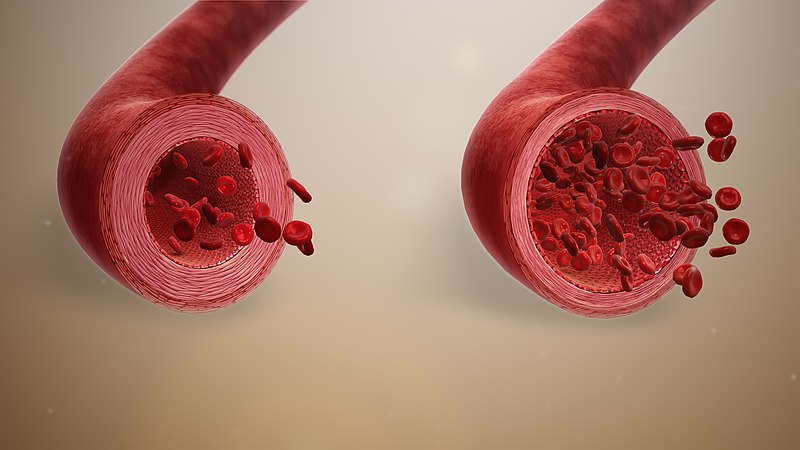
Toda erección depende de un factor principal: vasos sanguíneos abiertos y sanos. Las erecciones son, en esencia, un evento circulatorio.
La investigación muestra que la función eréctil suele declinar años antes de que los problemas cardiovasculares sean visibles, porque las arterias peneanas son más pequeñas y sensibles a la reducción del flujo.
Así que, cuando los hombres se recuperan más rápido, normalmente es porque sus vasos sanguíneos pueden volver a dilatarse con rapidez en respuesta a las señales de excitación. Esa dilatación está controlada por:
- Óxido nítrico (NO)
- Salud endotelial (el revestimiento interno de los vasos sanguíneos)
- Relajación de los músculos pélvicos y abdominales
- Buena elasticidad vascular
El cardio, el entrenamiento de fuerza y el trabajo del suelo pélvico contribuyen a mejorar la capacidad de respuesta vascular, apoyando no solo la primera erección, sino también la segunda.
Cuando la circulación es fuerte, la “segunda ronda” no supone un esfuerzo: es otra expresión de un flujo sanguíneo que responde bien.
Testosterona, dopamina y por qué el deseo puede volver rápido o no volver
El componente hormonal de la recuperación es igual de poderoso.
La testosterona influye en la libido, la confianza, la producción de óxido nítrico y la fiabilidad de la erección. Los hombres con una testosterona equilibrada tienden a tener periodos refractarios más cortos porque su cuerpo vuelve a la excitación con mayor eficacia.
La testosterona desciende de forma natural brevemente tras la eyaculación.
Para algunos hombres, esa caída es leve y se recupera con rapidez. Para otros, especialmente quienes arrastran estrés crónico, mal sueño o poca actividad, la caída se siente como un apagón completo. Pueden pasar horas antes de que vuelva el interés sexual.
Los hábitos diarios moldean directamente esta curva. El entrenamiento de fuerza, el sueño de calidad, una buena densidad de nutrientes y la gestión del estrés favorecen un ritmo de testosterona más sólido y una respuesta sexual más predecible.
La dopamina también participa. Es el neurotransmisor del deseo, el enfoque y la anticipación.
Tras el orgasmo, la dopamina baja mientras la prolactina sube, creando esa conocida “calma postorgásmica”. Cuando la dopamina se repone con rapidez, el deseo vuelve. Cuando no lo hace, el sistema permanece plano.
¿Qué acelera esa recuperación de dopamina?
- Descanso y respiración profunda
- Ejercicio
- Relajación y activación parasimpática
- Conexión emocional positiva
- Confianza y sensación de seguridad con tu pareja
- Estimulación sexual constante y acondicionamiento
El sistema nervioso: el determinante oculto de la velocidad de recuperación
Tu capacidad para volver a tener una erección está directamente vinculada a la rapidez con la que tu sistema nervioso regresa al estado parasimpático de excitación. La excitación requiere relajación, porque la tensión restringe el flujo sanguíneo, tensa el músculo liso y dificulta la liberación de óxido nítrico.
Los hombres con periodos refractarios más cortos suelen tener sistemas nerviosos que pueden “bajar una marcha” con facilidad. Son capaces de:
- Respirar profundamente
- Permanecer conectados con el placer
- Moverse sin presión por rendir
- Sentirse seguros en su cuerpo y con su pareja
Por el contrario, los hombres con tiempos de recuperación más largos a menudo:
- Acumulan tensión en la pelvis o el abdomen
- Arrastran ansiedad no expresada
- Sienten presión por regresar rápido
- Se endurecen en lugar de relajarse
El cortisol elevado estrecha los vasos sanguíneos y reduce la testosterona, y la tensión emocional genera tensión muscular, especialmente en el suelo pélvico y el abdomen inferior, por donde discurren los vasos que sostienen la erección.
Cuando tu sistema nervioso se siente seguro, la excitación se reabre. Cuando no, el sistema permanece cerrado.
Los músculos del suelo pélvico y cómo influyen en la recuperación
Los músculos del suelo pélvico desempeñan un papel crucial en la firmeza, la rigidez y el control de la erección. Y también importan para la “segunda ronda”.
La contracción del suelo pélvico ayuda a retener la sangre dentro de las cámaras eréctiles. Unos músculos más fuertes crean mayor presión, lo que significa que la erección puede formarse de nuevo con más rapidez. El entrenamiento constante mejora la resistencia, la capacidad de respuesta y la habilidad para sostener varios ciclos de excitación.
Esta es una de las razones por las que muchos hombres notan una recuperación más rápida al combinar el trabajo del suelo pélvico con el entrenamiento de la circulación y el acondicionamiento general de la excitación.
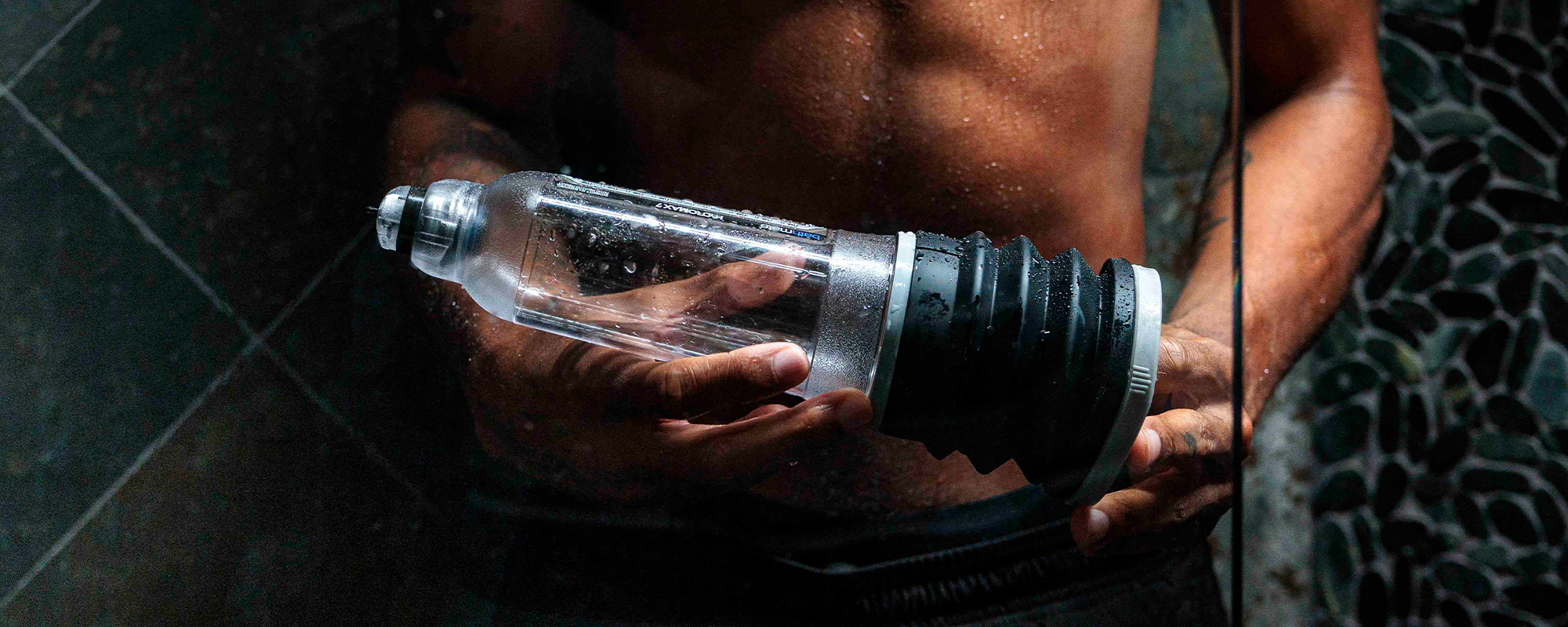
Cuando practicas retenciones más largas, pulsos rápidos y contracciones sincronizadas con la respiración, en esencia estás entrenando la mecánica de la erección. Y, al combinarlo con el uso de una hidrobomba como Bathmate, que aporta un mayor flujo sanguíneo a la zona, la sinergia crea un sistema más receptivo, que se activa con más facilidad tras el orgasmo.
Por qué algunos hombres se recuperan más rápido con la edad
Contrario a la creencia común, el tiempo de recuperación no siempre empeora con la edad. Muchos hombres experimentan erecciones de “segunda ronda” más fiables en sus 30, 40 e incluso 50 años porque están más atentos, más conectados con su cuerpo y más familiarizados con sus patrones de excitación.
La edad tiende a influir negativamente en la recuperación cuando:
- La circulación es deficiente
- El sueño es insuficiente
- El estrés no se aborda
- La testosterona disminuye
- El estilo de vida se vuelve sedentario
Pero quienes apoyan su salud vascular y hormonal a menudo se recuperan tan rápido en la mediana edad como en los primeros 20.
El movimiento, el cardio y el entrenamiento de fuerza mejoran de forma notable la fiabilidad de la erección. Cuando el sistema cardiovascular está acondicionado, la sangre se mueve con facilidad, y esa facilidad se traduce directamente en la velocidad de recuperación.
El factor confianza: la presencia moldea el rendimiento
La confianza influye en la recuperación de una manera sencilla: la tensión mata la excitación, y la confianza reduce la tensión.
Los hombres que se recuperan rápido no están forzando nada. Están relajados. Están presentes en el momento, conectados consigo mismos y con su pareja. No están juzgando a su cuerpo. No están con prisas ni “intentando que se levante de nuevo”. Simplemente permiten que suceda.
La presencia, la facilidad y la sintonía emocional pesan más sexualmente que la firmeza por sí sola. Y esas mismas cualidades influyen en la recuperación fisiológica porque mantienen al sistema nervioso en un estado receptivo.
La confianza es tanto una condición fisiológica como mental.
Rutina de recuperación en 6 pasos
Aquí tienes seis acciones que pueden acortar el periodo refractario.
1. Favorece la circulación después del sexo
Ayudar a que la circulación se recupere es una de las formas más simples de apoyar la recuperación de la erección.
El movimiento suave ayuda. Ponerte de pie, ir al baño a por agua o estirar las caderas durante un minuto mantiene la sangre fluyendo por la zona pélvica.
El tejido eréctil depende de sangre rica en oxígeno para mantenerse receptivo. Mantener la circulación después del sexo permite que el cuerpo se asiente sin la caída brusca del flujo sanguíneo que puede ralentizar la recuperación.
La hidratación también ayuda. La actividad sexual eleva la frecuencia cardiaca e implica esfuerzo físico, así que beber un vaso de agua después ayuda a mantener el volumen sanguíneo.
El calor también puede apoyar la circulación. Una ducha templada o caliente relaja el cuerpo y permite que los vasos se abran con más facilidad.
2. Deja que el sistema nervioso se asiente
El sistema nervioso desempeña un papel central en la recuperación sexual.
Durante la excitación, el sistema nervioso simpático prepara el cuerpo para la acción. La recuperación depende de la respuesta opuesta: el sistema parasimpático permite relajarse y volver al equilibrio.
El estrés crónico puede entorpecer este cambio. Un cortisol elevado puede reducir la señalización del óxido nítrico y dificultar el mantenimiento de las erecciones.
Hábitos sencillos ayudan a la transición. Respirar lentamente durante unos minutos suele bastar. A algunas parejas les viene bien tumbarse juntas en silencio o mantener caricias suaves. Incluso una breve conversación puede señalar seguridad al sistema nervioso.
Cuando el cuerpo se relaja, la circulación y las señales de excitación tienden a regresar con más facilidad.
3. Entrena el suelo pélvico
Los músculos del suelo pélvico sostienen silenciosamente la fuerza de la erección.
Dos músculos en particular (el bulbocavernoso y el isquiocavernoso) ayudan a mantener la sangre dentro del pene durante la erección al comprimir venas que, de otro modo, permitirían que la sangre drenase.
Un suelo pélvico más fuerte suele mejorar la firmeza y el control de la erección.
Un ejercicio básico es simple:
- Contrae los músculos que usarías para detener la micción, mantén unos cinco segundos y relaja.
- Repite este ciclo varias veces, una o dos veces al día, para desarrollar gradualmente fuerza y coordinación.
4. Apoya el equilibrio hormonal
Las hormonas también influyen en la rapidez con la que el deseo regresa tras el orgasmo.
La testosterona desempeña un papel importante en la libido y la función eréctil. También favorece la producción de óxido nítrico, que permite que los vasos sanguíneos se expandan durante la excitación.
Los hábitos diarios influyen en el equilibrio hormonal.
El entrenamiento de fuerza puede estimular aumentos puntuales de testosterona. Dormir es igual de importante, ya que gran parte de la producción se realiza durante el sueño profundo.
La nutrición también apoya la producción hormonal. Alimentos ricos en zinc, magnesio, grasas saludables y vitamina D aportan nutrientes implicados en la síntesis hormonal.
Quienes mantienen estos hábitos suelen notar niveles de energía más estables y un deseo sexual más constante.
5. Mantén un flujo sanguíneo saludable en el tejido eréctil
El tejido eréctil se beneficia de una circulación regular.
La actividad física, especialmente el ejercicio cardiovascular, apoya la salud vascular y ayuda a mantener la elasticidad en el pene.
Algunos hombres también utilizan hidrobombas como parte de su rutina. Dispositivos como Bathmate crean una suave presión de vacío en agua tibia, atrayendo sangre al tejido eréctil.
Las sesiones cortas fomentan la circulación y la llegada de oxígeno a la zona.
El objetivo no es forzar una segunda erección inmediata. El enfoque está en apoyar la salud vascular a largo plazo para que las erecciones ocurran de forma natural.
6. Mantente conectado con tu pareja
La conexión emocional puede influir en la recuperación física más de lo que muchos esperan.
Tras el orgasmo, algunas parejas se desconectan rápido, dándose la vuelta o mirando el móvil. Permanecer cerca unos minutos a menudo ayuda al cuerpo a mantenerse relajado.
El contacto, la conversación o la cercanía tranquila pueden señalar seguridad al sistema nervioso.
Cuando el cuerpo se siente cómodo y sin presiones, las señales de excitación pueden regresar con más facilidad.
La investigación sobre satisfacción sexual muestra que la conexión emocional y la comunicación moldean la experiencia tanto como los factores físicos.
Reducir la presión por rendir a menudo permite que el deseo vuelva de manera natural.
La verdad sobre la “segunda ronda”
Tu tiempo de recuperación no es una medida de masculinidad o virilidad. Es simplemente un reflejo de la circulación, las hormonas, la seguridad del sistema nervioso, la coordinación muscular y la presencia emocional. Los hombres que se recuperan más rápido no son “mejores” sexualmente; simplemente están apoyados fisiológicamente de formas que tú también puedes cultivar.
Cuando entrenas el flujo sanguíneo, fortaleces el suelo pélvico, apoyas tu ritmo hormonal y creas seguridad en tu sistema nervioso, tu cuerpo se vuelve naturalmente más receptivo.
La “segunda ronda” no va de ser sobrehumano, y se vuelve mucho más accesible cuando empiezas a apoyar los sistemas que impulsan la erección y la recuperación. No se trata de perseguir el rendimiento: se trata de construir confianza y capacidad de respuesta desde dentro hacia fuera.


Hakima Tántrico
Learn MoreHakima Tantrika es educadora sexual, coach de intimidad y redactora, y colabora regularmente con el blog de Bathmate. Formada en tantra clásico, ayuda a las personas a cultivar una mayor autoconciencia, una conexión auténtica y una confianza plena.SubpilaLidera una comunidad comprometida donde comparte perspectivas sobre sexualidad, relaciones y crecimiento personal, combinando la educación con la narración honesta. Con su enfoque claro y reflexivo y su voz distintiva, Hakima aporta profundidad e integridad a las conversaciones modernas sobre la intimidad, el placer y la autocomprensión.
Share:
Rutina de cuidado de la piel después del sexo para hombres
Cómo limpiar y guardar tu equipo de salud sexual