


Prostate health is the word that seems to be on everyone’s lips at the moment. Seriously, take a look online and you’ll find so many articles discussing the ways in which we can keep our prostate healthy. However, talk to the man on the street and quite often, you’ll find that although they may have heard of the prostate gland, they aren’t quite sure what it does.
For those who don’t know, the prostate is a walnut-shaped gland that helps to create the milky fluid which carries the sperm when you ejaculate. The gland is also very sensitive and, during stimulation, can help to create a very powerful male orgasm. This is why some people refer to this gland as the P spot.
Where is the P spot?
Those who have had a prostate examination before will be aware that this process involves a trained physician inserting a gloved finger into your bottom. The prostate gland is located between the bladder and penis but can also be felt through the rectal wall, which explains why this type of examination is necessary. Those searching for the prostate gland will feel it approximately two inches into the rectum, facing your belly button.

Painful or enlarged prostate?
During an examination, the prostate may appear to be enlarged or even painful to the touch. Although this may be concerning, an enlarged prostate often occurs as people age. However, it is very important that you immediately seek an appointment with your family doctor for further examinations. This will help to rule out conditions such as prostatitis, an inflamed prostate and even prostate cancer.
An enlarged prostate is a condition that is more common among older men. Those who are struggling with an enlarged prostate may find that urinating is more troublesome in that you may have a weaker flow of urine, you dribble after urinating, or you never feel that your bladder is fully empty. An enlarged prostate may also result in extra trips to the toilet, particularly at nighttime. Treatment for an enlarged prostate can range from simple lifestyle changes and medication to, in more extreme cases, surgery.
Prostatitis can affect younger men as well as those who are older and is a condition in which the prostate is very painful and inflamed. Symptoms of prostatitis include feeling generally unwell, penile discharge, painful ejaculation, inability to urinate or frequent urination, urgent need to urinate with little warning, blood in urine or pain (which can be severe) within the penis, testicles, anus, lower abdomen or back. Sufferers of prostatitis may also find it painful when passing stools. Despite this being a very painful and distressing condition, symptoms can be eased with the correct treatment and will eventually stop.

Chronic prostatitis is the most common type of prostatitis and occurs when symptoms reappear over a number of months. Although this condition usually clears up on its own, it is very important to seek emergency medical advice if you are unable to urinate because this could have serious implications for your health. However, the condition is treatable with pain management medication.
Acute prostatitis is different from chronic prostatitis in that the condition is caused by a bacterium entering the prostate from the urinary tract and causing an infection. Risk factors that may increase your chances of contracting acute prostatitis are having a urinary infection in the past, using a catheter, having an STI, having HIV, pelvic injuries or having anal sex. For those who develop this condition, acute prostatitis is treatable with a course of antibiotics and painkillers.
Health tips for the prostate
Over 30 million people worldwide suffer from prostate problems, and with prostate cancer being one of the most common cancers affecting men, getting to know your prostate and keeping it in tip-top condition is very important. For example, eating quercetin-rich foods such as leafy greens, apples, onions and citrus fruits can help to boost the body’s natural antioxidants and help to prevent cancers such as prostate cancer, while eating garlic has recently been found to improve the urine flow of those suffering from an enlarged prostate. Furthermore, the natural antioxidant and anti-inflammatory properties of the cranberry have been shown to help reduce the painful symptoms caused by prostatitis.

Everything that we eat and drink plays a huge part in keeping the prostate (and the rest of our bodies) healthy. However, as with any changes in diet, it is always advisable to speak with your GP before making any changes to your lifestyle.
How to get a healthy prostate
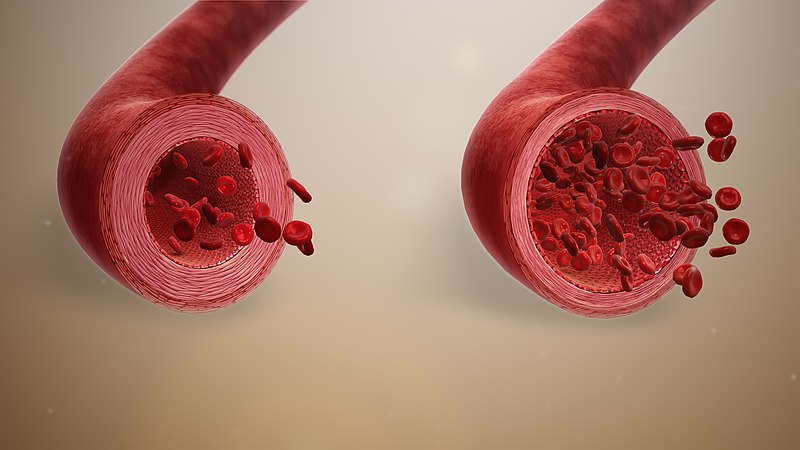
Another way to keep your prostate healthy involves regular milking of the gland. Prostate milking, or prostate massage as it is sometimes known, is a very pleasurable method of keeping your prostate at optimum health because it helps to circulate blood around the gland while also flushing out bacteria and toxins. The process involves inserting a finger or specialized prostate massager into the rectum to stimulate the gland. Because the prostate gland is extremely sensitive, prostate massage can lead to a very powerful and intense male orgasm.

Those seeking to milk the prostate should undergo the process at least once a month. However, those suffering from an enlarged prostate may benefit from a more regular weekly massage. Again, those looking to keep their prostate at optimum health with regular milking may want to seek advice from their doctor first.
Speaking of doctors, a yearly checkup with your GP is another important method of keeping your prostate healthy. Yes, it might seem a little embarrassing to some. However, a prostate exam is a short, painless procedure in which a gloved finger is placed into the rectum and the prostate is checked for enlargement or abnormalities, and for some, it could be lifesaving.
Worried about your prostate?
Maintaining a healthy prostate is much easier than you think. However, if you have any concerns about your health or would like more advice about the prostate, always contact your GP for help.



Compartir:
Sex: The Holistic Approach
How to Secure a Second Date: 7 Tips from the Experts